


Product Tanker Market, Late 2026: Less Cargo, Higher Earnings
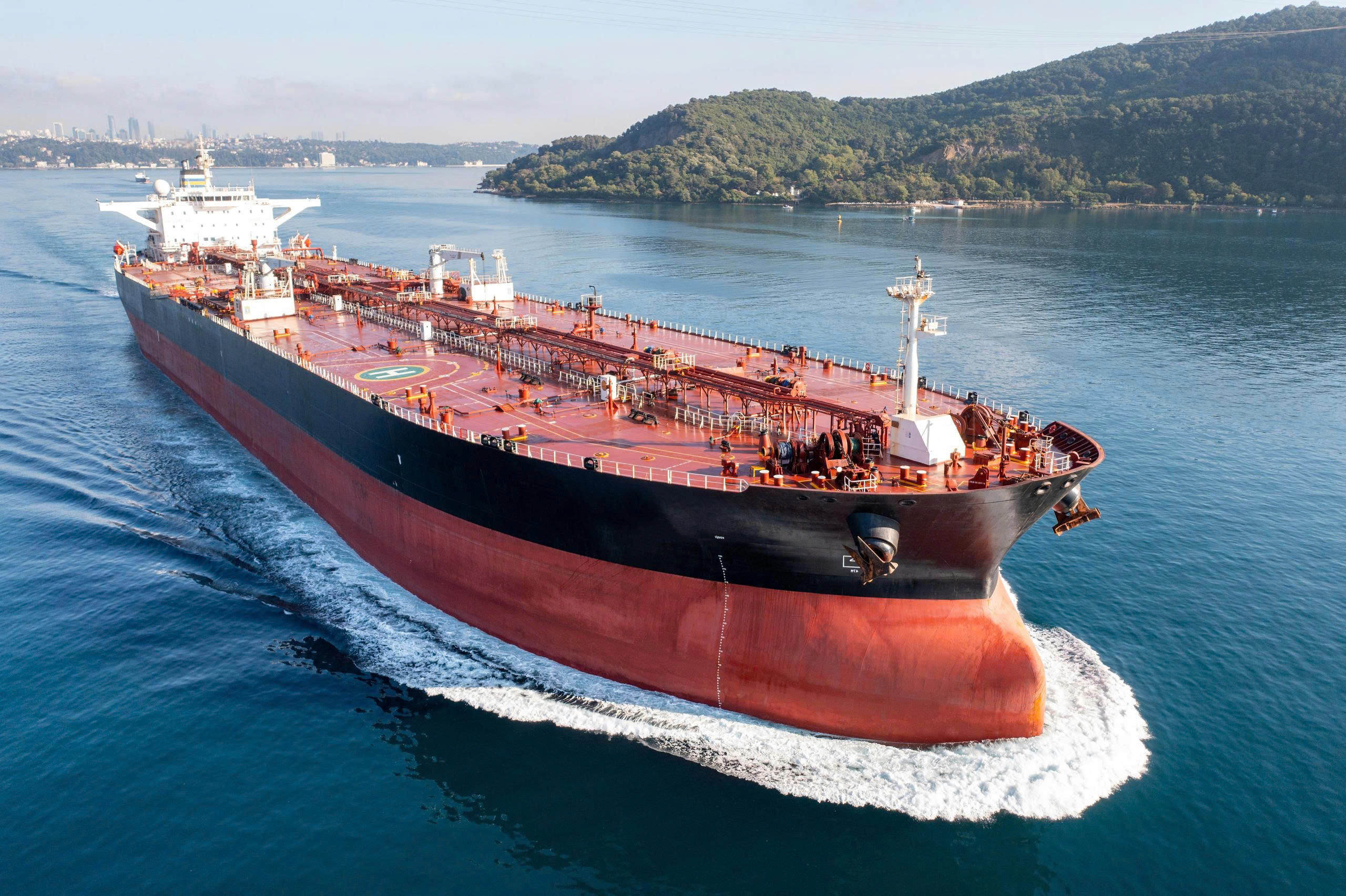
The seaborne product tanker market is in an unusual position: cargo volumes are falling significantly, yet vessel earnings have surged. According to market analysts, the main cause is geopolitical disruption in the Middle East rather than any growth in demand.
Weaker demand, tighter supply
The IEA’s October 2026 Oil Market Report forecasts global oil demand to fall by about 2.6 million barrels per day in 2026, to roughly 102.4 million, before recovering by about 2 million barrels per day in 2027. Onshore stocks are near their lowest since at least 2016, and the IEA expects diesel to remain tight into 2027.
The Strait of Hormuz, which before the crisis carried about 20 million barrels per day, nearly a quarter of seaborne oil and mostly bound for Asia, remains the focal point. IMF PortWatch data shows daily tanker transits falling from about 48 in 2025 to around 3 since March 2026.
Less cargo, higher rates
Signal Ocean data shows global seaborne refined product shipments down 10.9% year on year between 1 August and 15 October 2026, to about 237 million tonnes, with clean products down 12.1%. Even so, all 18 product tanker routes tracked by the Baltic Exchange have gained. LR2 earnings on the Middle East Gulf–UK Continent route reached about $324,000 per day, up 198% since early August.
In Asia, MR routes also rose sharply: South Korea–Singapore at about $64,100 per day (+261%), Singapore–Australia at about $67,800 (+188%) and West Coast India–Japan at about $50,600 (+280%). The US Gulf–UK Continent route rose only 35%, showing that Eastern Hemisphere trades are outperforming.
The driver is vessel availability rather than cargo demand. High crude freight rates have pulled larger ships out of clean trades: clean-trading LR2s are down 39.2%, while crude-trading Aframaxes are up 20.3%. Returning to product trades requires tank cleaning and preparation, so supply cannot respond quickly.
Rising costs and risks
Costs go beyond freight. One analysis published in Vietnam’s Tạp chí Thị trường Tài chính Tiền tệ puts war-risk premiums for a single Hormuz transit at roughly 7.5–12.5% of hull value, against about 0.25% before the conflict. Some analysts warn that shipping costs are approaching 25–30% of the value of the oil carried, a level that could erode demand.
Impact on Vietnam
In the first eight months of 2026, Vietnam’s crude oil imports fell 10.8%, while imports of refined products rose about 12% in volume and 78.2% in value. Demand for moving petroleum products into the domestic and regional markets remains substantial, even at much higher cost.
What to watch
- Developments in Hormuz and the wider Middle East, since the IEA outlook assumes hostilities gradually ease.
- A US–Russia arrangement facilitating Russian diesel shipments and temporary sanctions relief, which could reshape trade routes and vessel demand.
- The newbuilding wave: Clarksons data points to record tanker deliveries of about 62.8 million dwt in 2028.
- Larger vessels returning to product trades if crude freight rates ease.
This article is compiled from publicly available sources, current to 27 October 2026, and is for general information only.
Interested in Chartering or Partnering with BWT?
Our commercial and operations team is ready to discuss vessel availability, regional routes, and commercial terms.